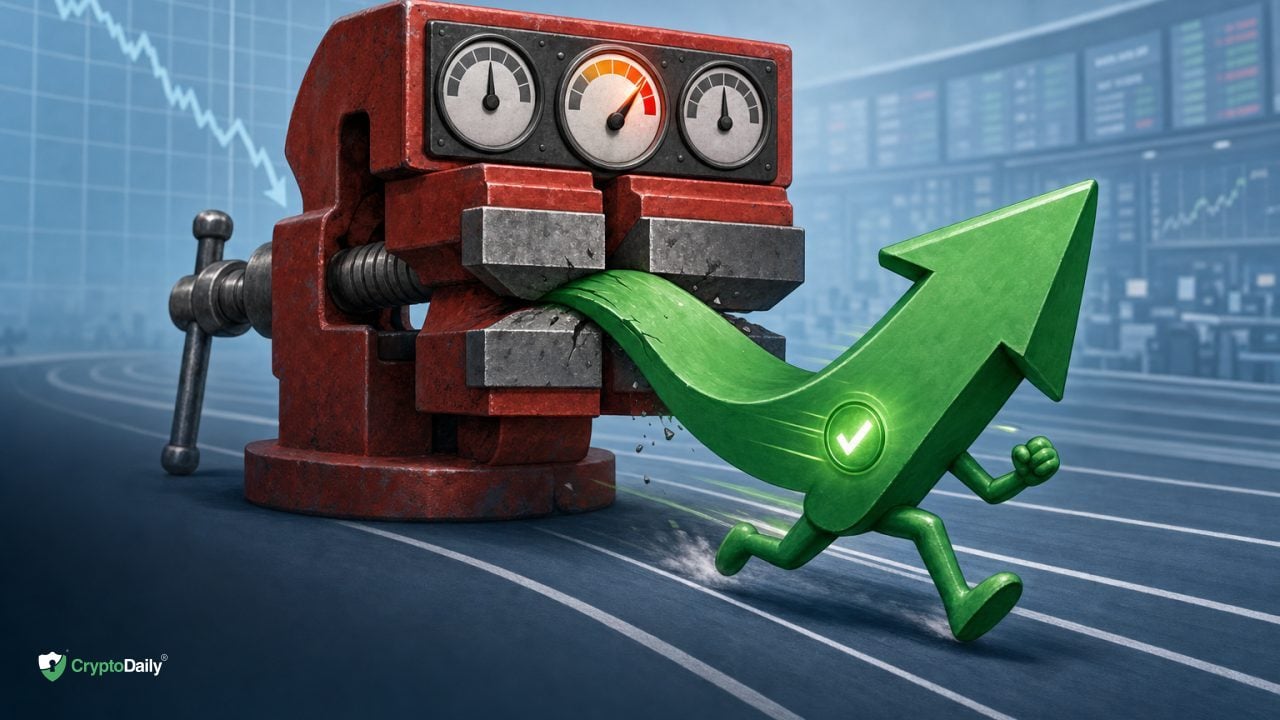
Youve seen it: a company crushes earnings, headlines glow, and by lunch the stock is down 6%. Feels upside down. It isnnt.
The market trades the future, not the last 90 days. Beats are backward-looking; guidance and valuation live forward. That gap is where the drop happens.
Lets unpack the mechanics calmly, without the hot takes. Theres a rhythm to this dance.
Right now, earnings day price action is as much about expectations management as accounting. Companies can post clean beats and still trade lower because the market was braced for even better, because forward guidance narrows, or because the multiple that investors are willing to pay quietly stepped down.
Stocks fall after beats when todays story improves but tomorrows probability-weighted outcomes get clipped or repriced.
Who feels this most? High-multiple names where small changes in growth or margin assumptions swing valuation. Also heavily owned crowd favorites where positioning is tight. And yes, it can hit stalwart value names too when the outlook hints at softer demand or rising costs.
How Expectations Are Set Before the Call
The setup going into earnings matters more than the print. Consensus numbers you see on a terminal are only part of the story. There are also whisper numbers, dealer positioning, and a seasons worth of narrative momentum.
Consensus isnt the ceiling
Analysts publish estimates. Management offers (or withholds) guidance. Traders build mental models. If chatter leans theyll beat by a mile, then a normal beat can look like a miss to the crowd that matters most: marginal price-setters on the day.
Options and the implied move
Into earnings, options prices imply a move. If the stock rallies before the print and implieds run hot, even good results can underwhelm relative to what was priced. Post-print, market makers unwind hedges, which can push shares around regardless of fundamentals.
The typical earnings-day sequence
- Headline hits: revenue and EPS versus consensus.
- Stock knee-jerks on the surprise number.
- Guidance and commentary arrive; the second move starts.
- Q&A reveals what management didnt put in the deck.
- Sell-side notes hit, options hedges rebalance, and positioning washes through into the close.
The first move is about last quarter. The second, bigger move is about the next four.
Guidance Is the Real Headline
Forward guidance is the closest thing investors get to a map. It shapes models, risk premia, and ultimately the multiple. Thats why stocks can fall after a beat: the guide trims the path, even as the rear-view mirror looks great.
What management can actually control
They control spend, hiring pace, and capital allocation. They dont control macro demand, rates, or sudden supply chain hiccups. When management signals caution on the parts they cant steer, the market nudges growth probabilities lower.
Beat the quarter, trim the year
Heres a simple way to think about the interplay between results and outlook:
Quarterly result
Guidance update
Typical read-through
Likely price reaction
Beat
Raise
Momentum intact; upside risk remains
Up, unless already priced
Beat
Maintain
Quality beat; but forward bar unchanged
Flat to down if expectations were high
Beat
Lower
Pulled-forward demand or margin pressure
Down; multiple trims quickly
Inline
Raise
Muted quarter; stronger pipeline
Mixed; path matters more than print
Miss
Lower
Negative inflection
Down hard; estimate resets begin
When the guide narrows the range, volatility usually drops. Paradoxically, a lower volatility profile often commands a lower growth multiple unless the company is maturing into a cash-flow story. Nuance, always.
Valuation Mechanics: Multiples Move Faster Than Earnings
Post-earnings repricing often comes from the multiple, not the numerator. Earnings per share can rise, but if the multiple compresses faster, the stock falls.
Why multiples compress after a beat
- Rates and discounting: Higher real yields make future cash flows worth less today. Even tiny changes shift DCF math that underpins multiples.
- Mix of growth: If the beat came from a lower-quality source (one-time tax item, a pull-forward, pricing over volume), investors apply a more conservative multiple.
- Law of large numbers: As companies scale, sustainable growth slows. A big beat can be read as the last gust of tailwind before normalization.
A quick mental math check
Say a stock trades at 25x forward EPS of 4.00, or 100. It beats and the new forward EPS is 4.20. But if the multiple compresses to 22x because guidance hinted at softer demand, price is 92.4. Earnings up. Stock down. Thats the whole story in one line.
Price = Forward EPS d7 Multiple
Investors dont get paid for the last quarter. They get paid for the path of future cash flows and the risk assigned to that path.
Flow, Liquidity, and Positioning After the Print
Even if fundamentals argue up, flows can overpower the day. Earnings days are flow days: funds rebalance, options dealers hedge, quant signals fire on fresh data.
Sell the news is not superstition
When a stock runs into the print, short-dated holders often take profits into good news. That supply meets tepid incremental demand if the guide isnt sparkling, and price gives way. It looks like mystery. Its just supply and demand.
Options gamma and the second-day move
Dealers short calls into the print may buy stock on a spike to hedge, then unwind as implied volatility collapses after the event. That can produce a fade even with decent fundamentals. The cleaner signal often shows up on day two and three when hedging noise clears.
Liquidity pockets
Mid- and small-caps can move more on modest order flow. A couple of large sellers into a thin book can turn a mild disappointment into a five-handle gap. Its not always a referendum on the business.
Signals That Matter Right Now
In this market regime, investors seem to reward durable margin stories and punish uncertainty in capex-heavy or rate-sensitive corners. The same beat will land differently across sectors depending on cyclicality and pricing power.
Margins speak louder than revenue
Top-line beats with margin slippage get discounted. The market wants evidence that pricing power sticks without promo spend spiking. Watch gross margin commentary and guidance for operating margin direction, not just the absolute level.
Backlog quality and pipeline visibility
For companies with long sales cycles, the quality of backlog and renewal rates are screening metrics. If renewals are fine but new pipeline stretches, the market will model slower growth and compress the multiple accordingly.
Capital returns as a stabilizer
Buybacks and dividends can cushion a down reaction, but only if free cash flow comfortably covers them. Signaling a buyback while guiding lower can read as financial engineering, and investors will call the bluff.
What To Watch Next Quarter
You cant control the reaction, but you can control the prep. Treat the quarter as one data point in a series. Map the narrative, not just the numbers.
A simple pre-earnings checklist
- Is the stock up or down meaningfully in the 4ndash;6 weeks pre-print?
- Whats the implied move from near-dated options?
- Is consensus tight (low dispersion) or all over the place?
- Where did last quarters beat come from: volume, price, mix, or one-offs?
- How sensitive is the business to rates, FX, or a single customer?
During the call
- Listen for verbs: accelerate, normalize, pause, evaluate. Those words move multiples.
- Track cohort behavior and unit economics, not just flashy TAM slides.
- Compare guidance ranges to historical hit rates. Wide ranges often mean caution.
After the dust settles
Look at the second-day and third-day reaction once derivatives flows subside. Does the stock reclaim levels quickly, or does it sit heavy? Price is a position. It tells you how much belief was embedded beforehand.
Risks & What Could Go Wrong
- Macro whiplash: A positive company story can be swamped by a hot inflation print or a surprise rate move that compresses multiples across the board.
- Guidance games: Sandbagging or over-promising can distort the next few quarters of reactions as the market recalibrates trust.
- Accounting noise: One-offs (tax items, asset sales, inventory write-downs) can camouflage the true trend and lead to mispricing.
- Liquidity shocks: Thin books around the open can exaggerate downside moves beyond what fundamentals justify.
- Positioning extremes: Crowded longs or shorts can create reflexive moves unrelated to the quality of the business.
A great quarter is not a guarantee of a great trade; timing, setup, and the cost of capital still run the show.
If you want a steady pulse on how narratives and positioning are shifting around earnings season and digital assets, Crypto Dailys newsroom tracks this stuff without the breathlessness. You can skim the headlines and dig in when it actually matters: CryptoDaily.co.uk.
Frequently Asked Questions
Why would a stock fall after beating EPS and revenue?
Because the market cares more about the future than the past. If guidance softens, if the quality of the beat looks unsustainable, or if the stock had already run into the print, investors may cut the multiple and sell shares even on strong reported numbers.
Is guidance more important than the reported quarter?
Usually, yes. The reported quarter closes the book on what just happened. Guidance shapes models for the next four to eight quarters and dictates how much investors are willing to pay per dollar of earnings.
What is multiple compression in this context?
Its when the price-to-earnings (or another valuation multiple) investors pay declines. Even if earnings rise, a lower multiple can drag the stock down. This often happens when growth looks less durable, risks rise, or rates move up.
How do options affect post-earnings moves?
Options market makers hedge positions into the event. After the print, implied volatility collapses, hedges unwind, and that flow can magnify moves or cause mean-reverting action, especially if the pre-print implied move was large.
Do high-growth stocks react differently than value names?
High-growth names are more sensitive to changes in long-term growth assumptions and rates, so multiples can swing wider. Value names can still drop after beats if the outlook flags demand softness or cost inflation that threatens margins.
How long does the post-earnings drift last?
Often the cleanest signal appears over the next several sessions once flows clear. If the stock keeps leaking lower on rising volume, it can indicate estimate cuts are coming. Stabilization on normal volume suggests the move was mostly positioning.
What should I focus on in the call transcript?
Look for specifics on margins, cohort retention, pipeline timing, and capital allocation. Words that shift risk (accelerate vs normalize) matter more than headlines about the quarters EPS beat.
Disclaimer: This article is provided for informational purposes only. It is not offered or intended to be used as legal, tax, investment, financial, or other advice.